Step 1: Assessment & Planning
Site inspection identifies specific requirements for each specialized cleaning project. We assess surface conditions, contamination levels, and access considerations. Understanding the scope ensures appropriate equipment, products, and techniques are applied.
Testing procedures verify compatibility before full application. Small test areas confirm cleaning methods won't damage surfaces. This precaution prevents problems while establishing realistic expectations for achievable results.
Step 2: Preparation & Protection
Area preparation prevents damage to surrounding surfaces and contents. Furniture moving, floor protection, and equipment positioning create safe work environments. Proper preparation enables efficient cleaning while protecting property.
Pre-treatment applications soften stubborn soiling before main cleaning begins. Specialized products break down specific contaminants making subsequent cleaning more effective. Pre-treatment often determines overall result quality.
Step 3: Specialized Cleaning Application
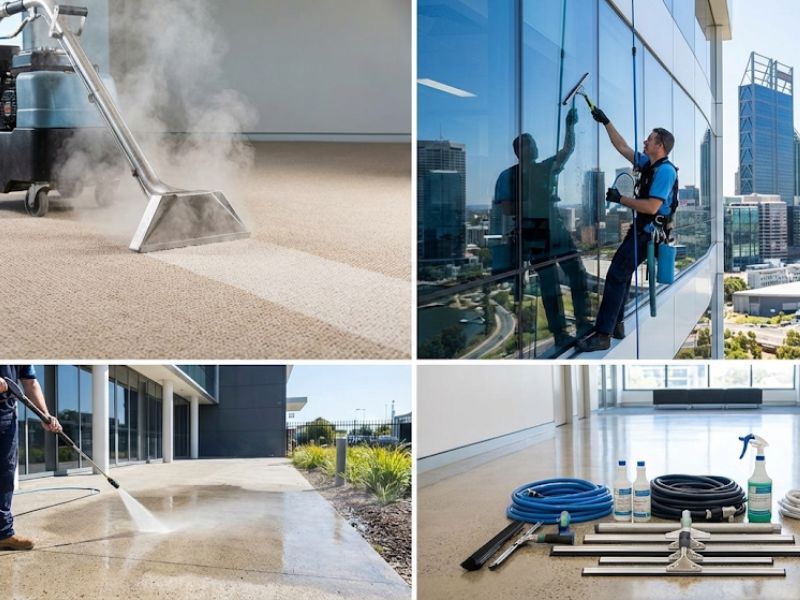
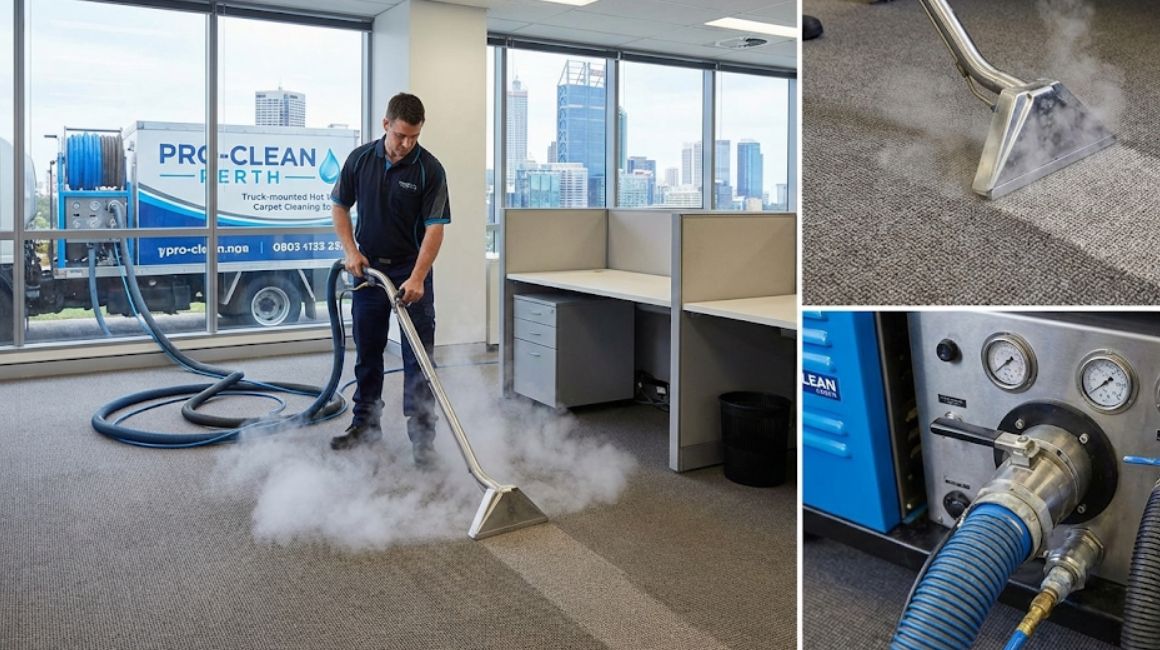
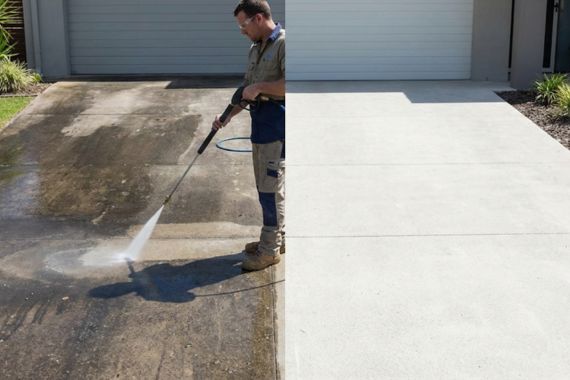
Professional equipment application delivers thorough cleaning impossible with basic methods. Hot water extraction penetrates carpet fibers deeply. High-pressure washing removes ingrained contamination. Proper technique maximizes cleaning effectiveness while protecting surfaces.
Multiple passes ensure thoroughness. Initial cleaning removes bulk contamination. Subsequent applications address remaining soiling. Rinse cycles eliminate cleaning product residues that could attract future dirt.
Step 4: Post-Treatment & Protection
Protective treatments extend cleaning results. Carpet protection products repel future staining. Floor sealants protect against moisture and wear. These applications maximize return on cleaning investment by prolonging results.
Drying procedures prevent problems. Adequate drying time prevents mold growth and re-soiling. Proper ventilation and air movement accelerate drying while maintaining indoor comfort. Professional drying ensures surfaces are usable quickly.
Step 5: Quality Verification
Final inspection confirms results meet specified standards. Problem areas receive additional attention. Quality verification ensures client satisfaction before project completion.
Maintenance recommendations help clients extend cleaning results. Appropriate cleaning frequencies and interim care procedures maximize investment value. Ongoing maintenance schedules prevent problems before major intervention becomes necessary.